
 Jeriemay Polidario
The Philippine Society for Regenerative Medicine (PSRM) is calling for stronger scientific evidence, proper physician training, and stricter adherence to ethical medical practice as it prepares to hold its First Annual Convention on October 21–22, 2026, at Discovery Primea in Makati City.
During a press conference on October 13, PSRM President Dr. Quincy P. Raya and Dr. Daryl Joel C. Dumdum discussed the need to advance regenerative medicine in the Philippines while protecting patients from unsupported treatment claims and procedures that lack sufficient scientific backing.
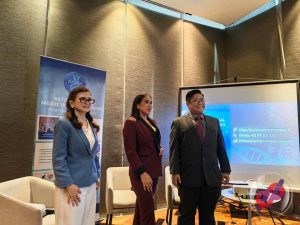
The upcoming convention, carrying the theme “Advancing Regenerative Medicine in the Philippines,” will bring together local and international medical experts to discuss developments in the field, including research, potential clinical applications, patient screening, and ethical considerations. The program is expected to cover topics across several medical specialties, reflecting the range of conditions and healthcare questions being explored through regenerative medicine research.
For PSRM, the push to advance the field must go hand in hand with patient safety. The speakers emphasized that emerging treatments should not be presented as guaranteed solutions or miracle cures, and that decisions about medical interventions must be guided by scientific evidence, appropriate patient assessment, and professional judgment.
Dr. Raya discussed the circumstances behind the establishment of PSRM, drawing on more than 20 years of stem cell education and training, including experience in Germany and Singapore.
She explained that the society was founded by physicians who share a common goal of advancing regenerative medicine in the Philippines through education, research, and responsible clinical practice.
As interest in stem cells and regenerative treatments grows, the society aims to help medical professionals and the public better understand the science behind these approaches. Its advocacy focuses on encouraging evidence-based decisions and helping patients distinguish established medical practice from claims that have not been adequately supported by research.
Regenerative medicine explores approaches that aim to repair, replace, or restore damaged cells, tissues, or biological functions. However, the scientific potential of a treatment does not automatically establish its safety or effectiveness for every condition. Research findings must be evaluated carefully, and clinical use must be supported by appropriate evidence for the specific treatment and intended application.
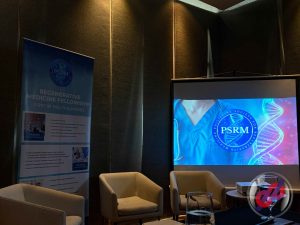
This distinction was central to the discussion, with the speakers emphasizing that advances in medical science should be accompanied by responsible communication about what treatments can and cannot achieve.
The society also stressed the importance of helping patients make informed decisions before undergoing procedures, particularly when treatments are promoted using claims that may exceed the available scientific evidence.
Another key issue raised during the press conference was how patients can identify qualified healthcare practitioners and evaluate the treatments being offered to them.
Dr. Raya encouraged patients and caregivers to verify a physician’s professional license, credentials, and relevant training before proceeding with medical interventions. These checks can help patients establish whether a practitioner is appropriately qualified to provide the care being considered.
The guidance is particularly relevant in a field where patients may encounter claims about stem cells and other regenerative approaches through different channels. According to the society’s advocacy, patients need reliable information to assess whether a proposed treatment is appropriate and whether its benefits and risks are supported by scientific evidence.
Proper patient screening is also important because a treatment that may be relevant to one patient or condition may not be suitable for another. Medical decisions require an assessment of the patient’s circumstances, the nature of the condition, and the available evidence for the proposed intervention.
PSRM’s emphasis on professional qualifications and patient assessment forms part of its broader effort to promote responsible clinical practice. The society aims to provide guidance not only to physicians but also to patients, caregivers, healthcare professionals, and the wider public.
The objective is to encourage people to ask questions, verify information, and consult qualified medical professionals rather than rely solely on promotional claims when making healthcare decisions.
Dr. Dumdum reinforced the importance of evidence-based care, cautioning against unapproved stem cell treatments and procedures that lack sufficient scientific support.
He emphasized that physicians have a responsibility to prioritize patient welfare when recommending medical interventions. That responsibility includes explaining the limitations of available evidence and advising patients against treatments that are inappropriate for their condition.
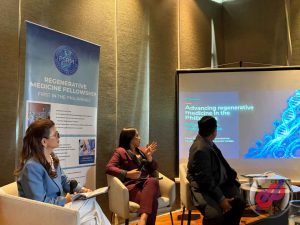
The discussion also addressed the ethical considerations that arise when patients seek treatments based on hope, particularly when they are willing to pay for procedures they believe may improve their health.
For the speakers, a patient’s willingness to undergo or pay for a procedure does not replace the need for medical justification. Physicians must still consider whether a treatment is appropriate, whether its safety and effectiveness are adequately supported, and whether the potential risks have been properly explained.
The issue highlights a broader challenge in emerging medical fields: distinguishing promising scientific developments from interventions that are ready for routine clinical use.
While research may point toward possible future applications, treatments must undergo appropriate scientific evaluation before claims about their benefits can be made responsibly. PSRM’s position is that medical innovation should not come at the expense of patient safety or ethical standards.
The press conference also touched on circulating tumor DNA, or ctDNA, testing, which examines fragments of tumor-derived DNA found in the bloodstream.
The approach is being studied for potential applications in cancer detection and monitoring. Its discussion at the media briefing highlighted the role of ongoing research in exploring new ways to understand disease and assess how patients respond to treatment.
Interest in ctDNA testing reflects a broader effort to develop tools that may provide additional cancer information. However, its usefulness depends on the specific clinical application, the evidence supporting its use, and how results are interpreted alongside other relevant medical information.
The topic served as an example of why scientific research and responsible clinical evaluation are essential as medical technologies develop. Emerging tests and treatments may offer possibilities for future care, but their appropriate use must be determined through evidence rather than assumptions about their potential.
By including developments in molecular medicine in the discussion, PSRM underscored the importance of continued research and collaboration among clinicians and scientists.
Beyond regenerative treatments, Dr. Raya encouraged Filipinos to take a more proactive approach to their health, emphasizing the concept of healthspan—the period of life spent in good health—alongside lifespan.
The distinction draws attention to the importance of maintaining health and function throughout life, rather than focusing only on longevity.
Dr. Raya encouraged individuals to consult healthcare professionals, take preventive measures, and make informed decisions based on reliable scientific information.
The message also complements PSRM’s call for greater public understanding of medical evidence. In a healthcare environment where people may encounter a wide range of claims about wellness and longevity, the ability to assess information critically can help guide decisions about prevention, diagnosis, and treatment.
The society’s advocacy therefore extends beyond the development of regenerative medicine itself. It also emphasizes the role of informed patients, professional medical guidance, and responsible healthcare decisions.
PSRM’s First Annual Convention will take place on October 21–22, 2026, at Discovery Primea under the theme “Advancing Regenerative Medicine in the Philippines.”
According to Dr. Raya and Dr. Dumdum, the program will bring together local and international experts to discuss research and developments across multiple areas of medicine. Topics identified for the convention include the translation of laboratory research into clinical applications, autism, obesity, molecular oncology, fertility, and regenerative approaches being studied for conditions such as Parkinson’s disease and osteoarthritis.
The program is also expected to address patient screening, practitioner qualifications, evidence-based treatment protocols, and ethical clinical practice.
These discussions are intended to examine how scientific advances can be evaluated and applied responsibly, while recognizing that the level of evidence and clinical readiness may differ among treatments and conditions.
Experts from countries including Australia, the United States, and Singapore are expected to contribute to discussions on emerging research and clinical developments.
The convention will provide a forum for medical professionals to exchange knowledge and examine how research can inform clinical practice. It will also address the need for appropriate standards and safeguards as regenerative medicine continues to develop.
Through its first annual convention, PSRM aims to strengthen collaboration among physicians, researchers, government stakeholders, patients, and members of the media.
The society’s goal is to support the development of regenerative medicine in the Philippines while encouraging responsible innovation, scientific inquiry, and ethical healthcare delivery.
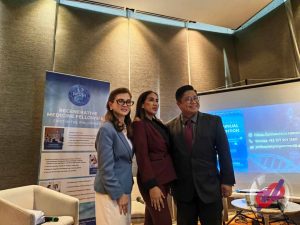
The involvement of different stakeholders is important as research findings move from laboratory settings toward potential clinical applications. Scientific evidence, medical training, patient education, and appropriate oversight all contribute to determining whether an intervention can be used safely and effectively.
The convention is expected to provide opportunities for discussions on these issues while highlighting developments that may shape future research and medical practice.
For PSRM, advancing regenerative medicine requires more than introducing new technologies or exploring potential treatments. It also requires clear communication about the available evidence, careful assessment of patients, and a commitment to professional and ethical standards.
As the society prepares for its October 21–22 gathering, its central message remains focused on balancing scientific progress with patient protection. By promoting evidence-based practice, responsible research, and informed healthcare decisions, PSRM aims to help ensure that developments in regenerative medicine are evaluated carefully and pursued with patients’ welfare at the forefront. (with reports from Jeanell Lopez)