
 Mc Richard Paglicawan
Encounters with blacktip reef sharks, giant clams, and old-growth mangroves gave visiting Manila-based media a closer look at the province’s nature tourism destinations during a four-day experiential tour courtesy of the Department of Environment and Natural Resources (DENR).
Dailypedia joined the trip, which connected Bacolod’s food culture with Danjugan Island Sanctuary in Cauayan, the cool highlands of Don Salvador Benedicto, and the protected coastal destinations of Sagay.
Guided wildlife encounters and community hospitality offered opportunities to understand the conservation work behind these destinations.
The journey began with an evening arrival at Bacolod-Silay Airport and a photo stop at a welcome marker celebrating Bacolod as the City of Smiles. Dinner followed at Aida’s Chicken, where the group ordered chicken inasal, sinigang na hipon, and tinolang isda. Assistant Secretary for Strategic Communications Rochelle Elena A. Gamboa joined the visiting media.
Aida’s Chicken in Makati is a direct branch of Aida’s Chicken Inasal from Manukan Country in Bacolod City. The Makati establishment is listed in the Michelin Guide, which highlights its smoky, grilled-to-order Bacolod-style chicken. For Dailypedia’s representative, who had long intended to try the Makati branch, the dinner finally provided an opportunity to experience Aida’s in its home city.
The restaurant was busy, with diners waiting outside as the delegation left. A visit to Felicia’s Pastry Shop followed before the group checked in at Acacia Hotel Bacolod.
After breakfast the next day, the delegation traveled approximately four hours by van to a boat departure point in Cauayan, then crossed to Danjugan Island by bangka in about 30 minutes.
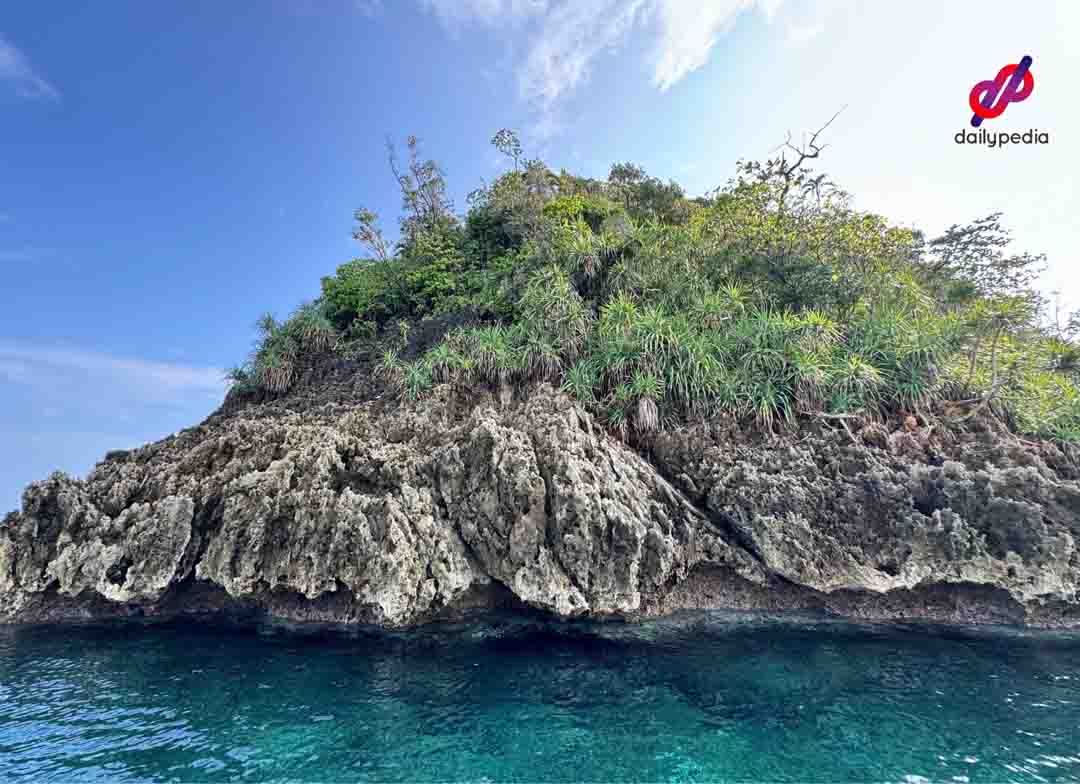
Owned and managed by the Philippine Reef and Rainforest Conservation Foundation, Inc. (PRRCFI), Danjugan is a 43-hectare sanctuary containing five lagoons, limestone and mangrove forests, bat caves, seagrass beds, and fringing coral reefs.
The foundation helped save the island in 1994. Conservation and education continue to guide its operations, with less than 10 percent of the island developed and the remainder left for wildlife. Its nature tourism program helps fund conservation and community initiatives.
The delegation arrived at Typhoon Beach, settled into the Dolphin accommodation, and attended a briefing before lunch and an afternoon guided walk.
At Turtle Beach, guides pointed out two turtle nests expected to hatch the following month. At Tabon Beach, the visitors briefly spotted a pair of Philippine megapodes, locally known as tabon.
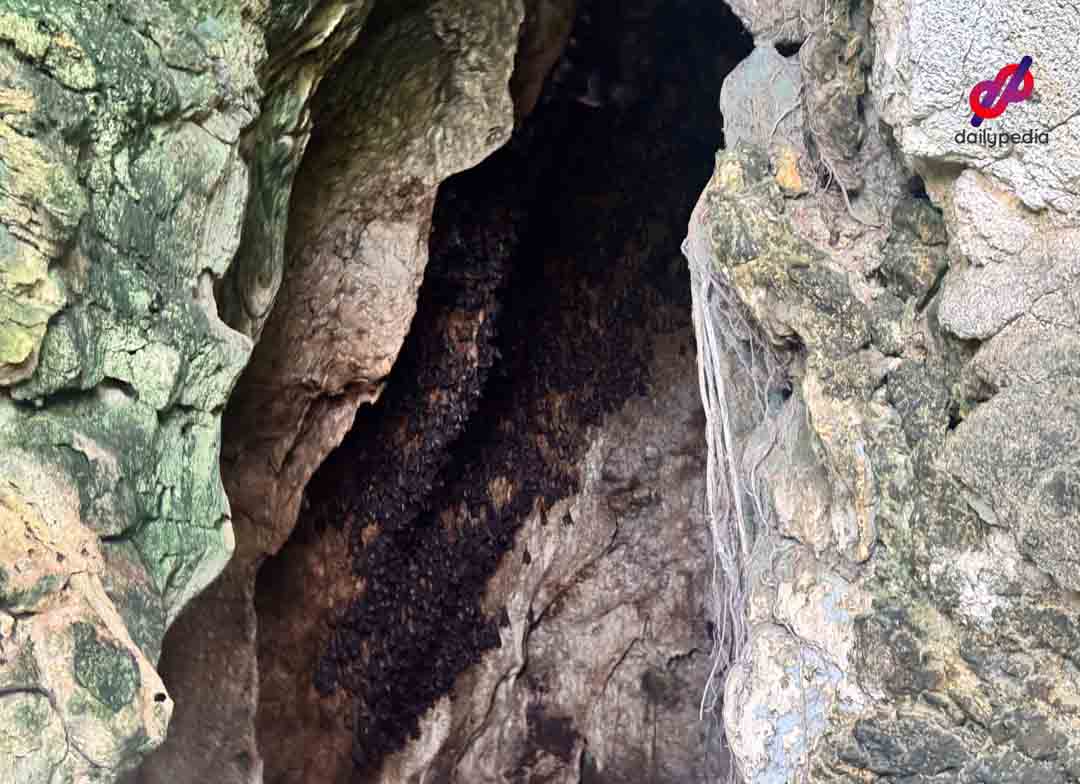
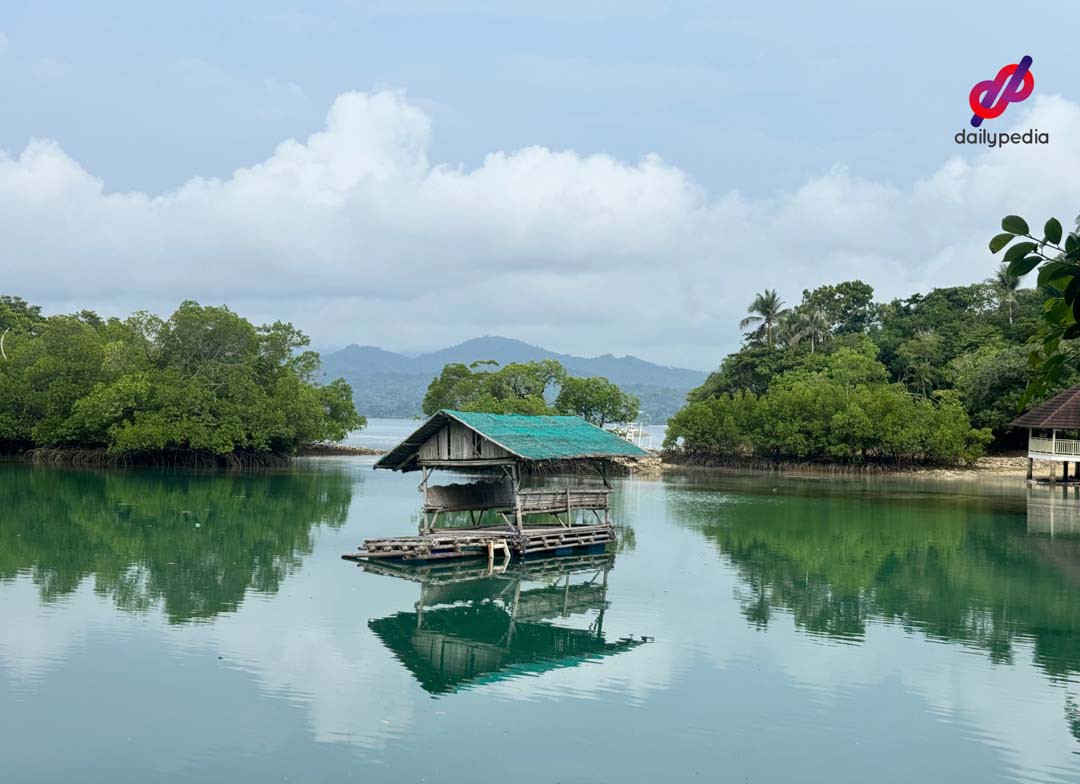
The route also passed the mangrove-fringed Second Lagoon and a limestone cave occupied by bats. Clear paths made the walk manageable for a beginner during the visit, although accessibility depends on individual mobility, weather, and the chosen trail.
Meals brought further discoveries. Dinner included a carbonara-style preparation using ubod, or coconut heart, and vegetable sisig that surprised visitors with its meat-like character. Mobile reception was unavailable to Dailypedia’s representative during the stay, but the island’s Starlink connection allowed work to continue between activities.
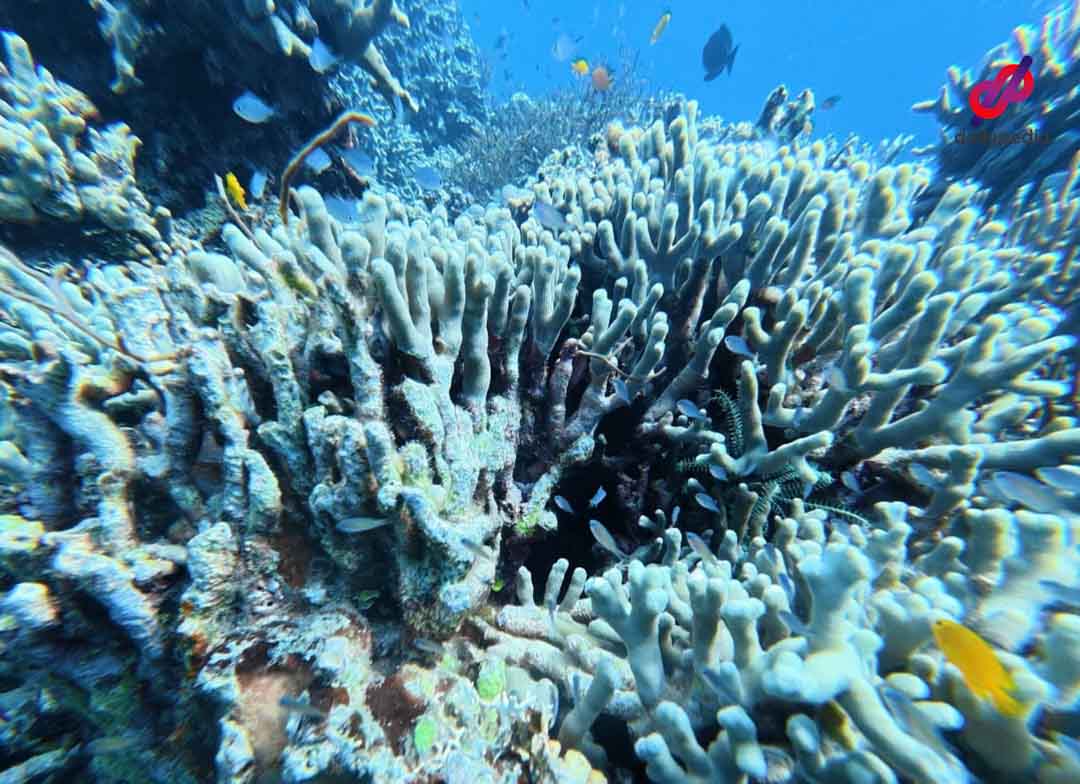
Rain delayed the third morning’s snorkeling excursion by about an hour. Once conditions improved, the delegation headed out by boat and encountered seven blacktip reef sharks at the north lagoon.
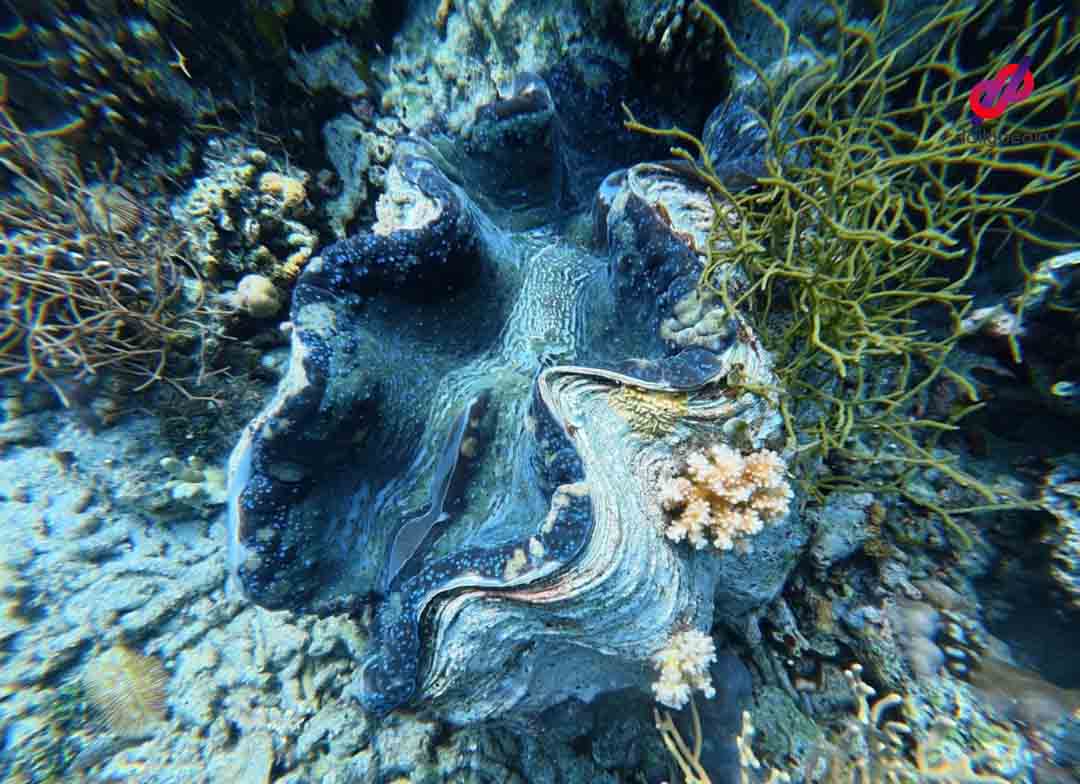
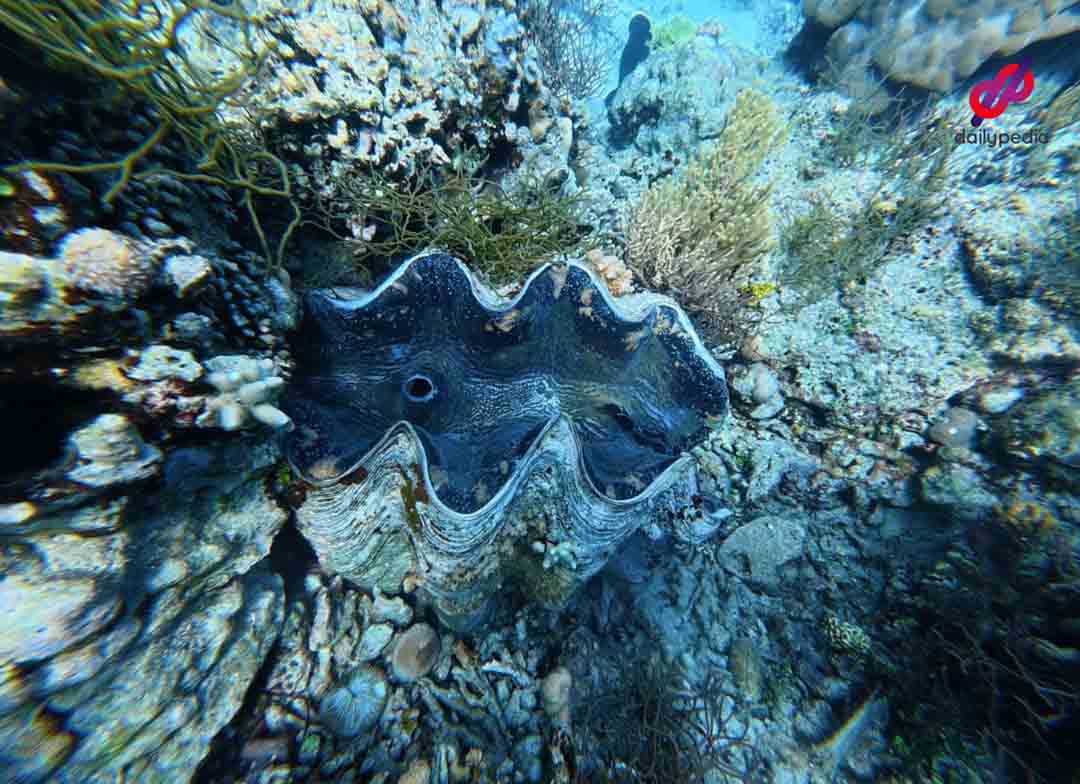
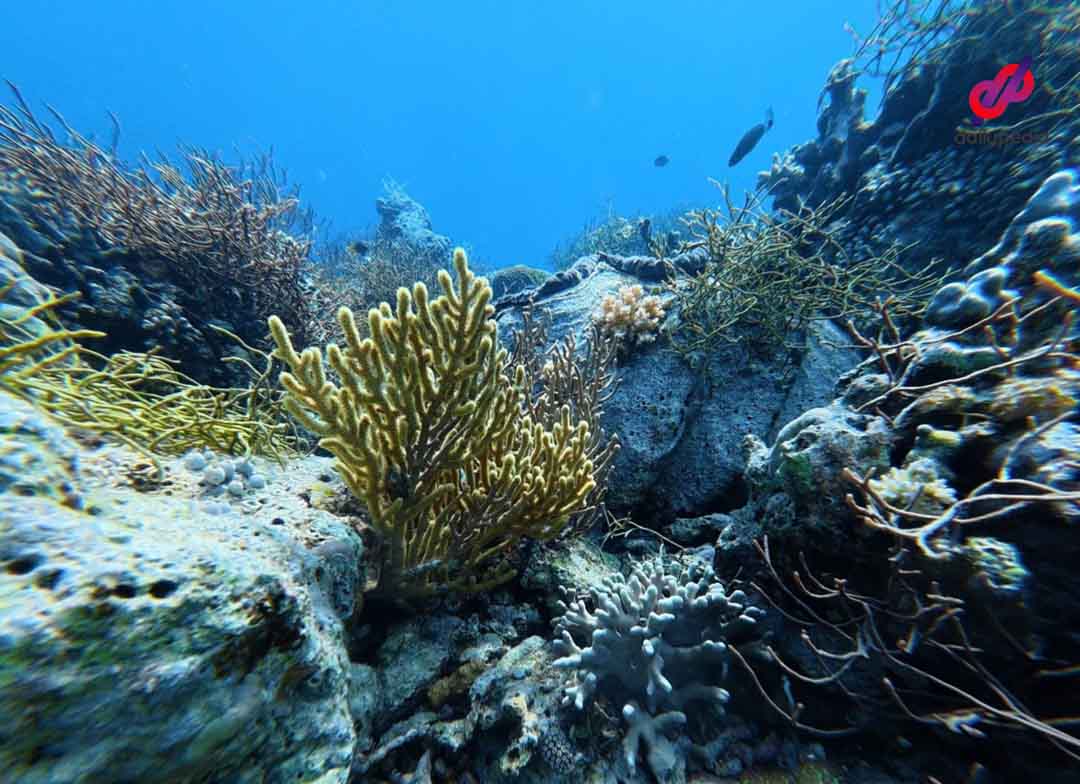
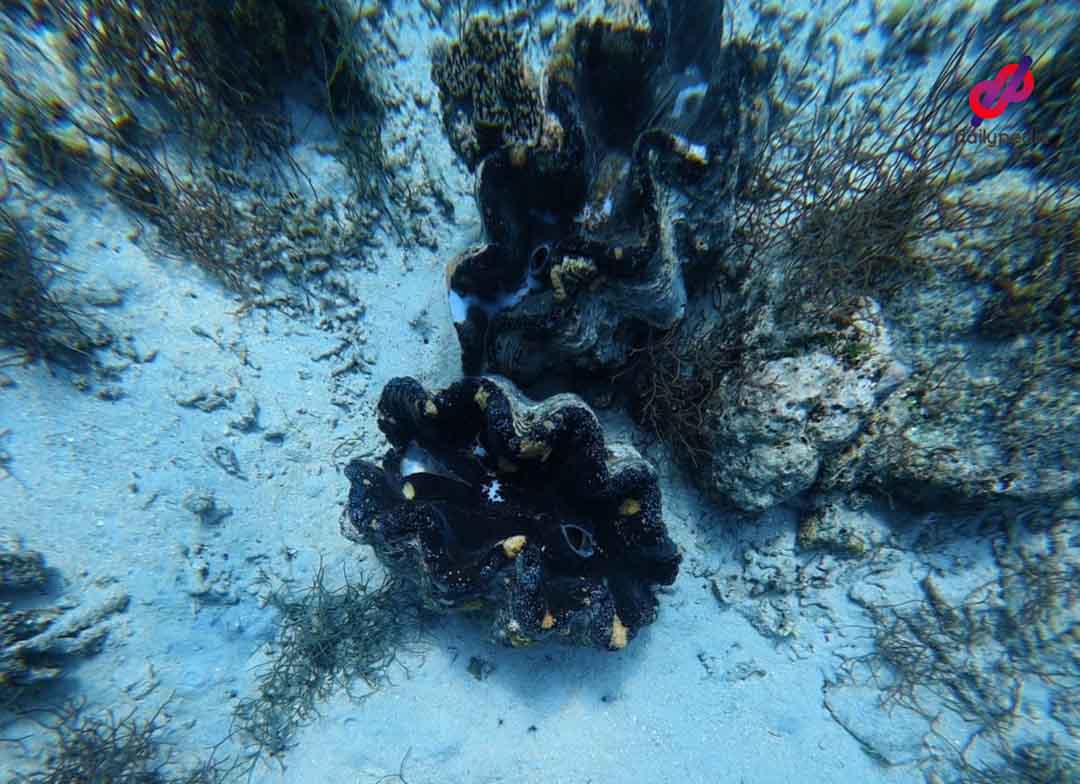
The excursion continued past coral formations to Manta Reef, where giant clams provided one of the tour’s most memorable underwater sights. Participants could observe several clams while snorkeling, making the encounter accessible without a deep dive.
After breakfast, showers, and packing, the group returned to the mainland and continued toward Don Salvador Benedicto.
The delegation reached the Malatan-og Falls viewpoint at almost 5 p.m., leaving insufficient time to trek to the waterfall’s base. The stop nevertheless offered a view of the falls and an introduction to the area’s noticeably cooler mountain air.
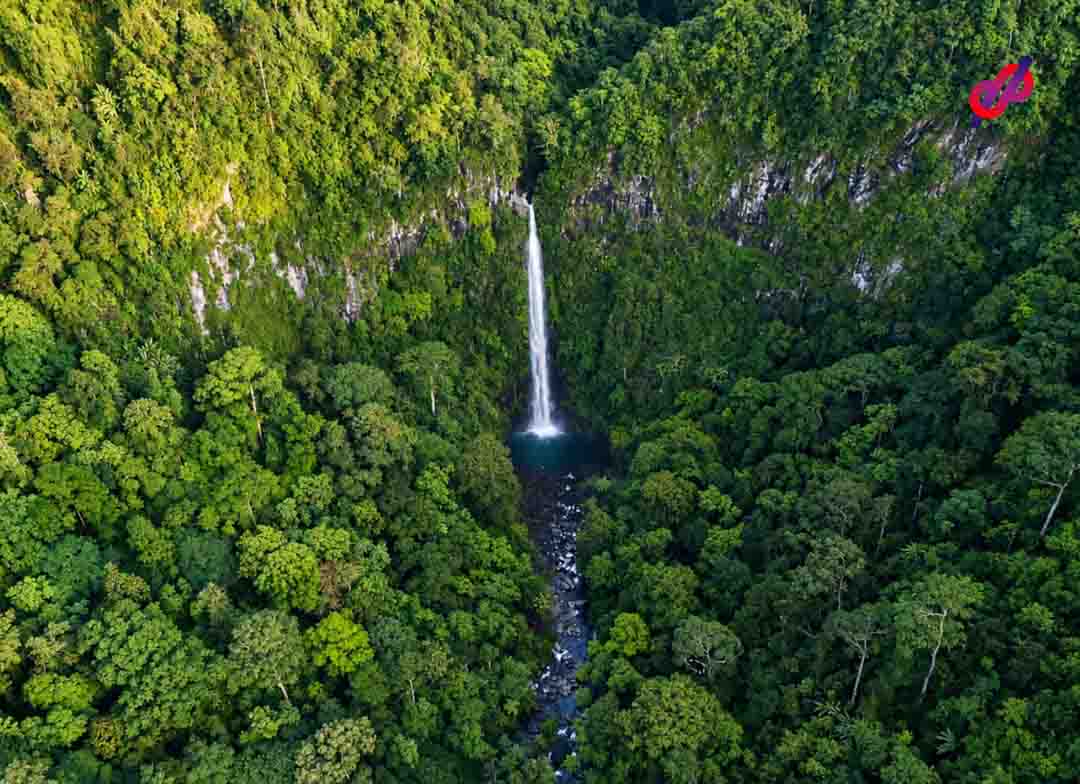
An overnight stay in the Northern Negros Natural Park area followed, with native chicken tinola served for dinner. The cool, quiet surroundings provided a change from the coastal conditions earlier in the trip.
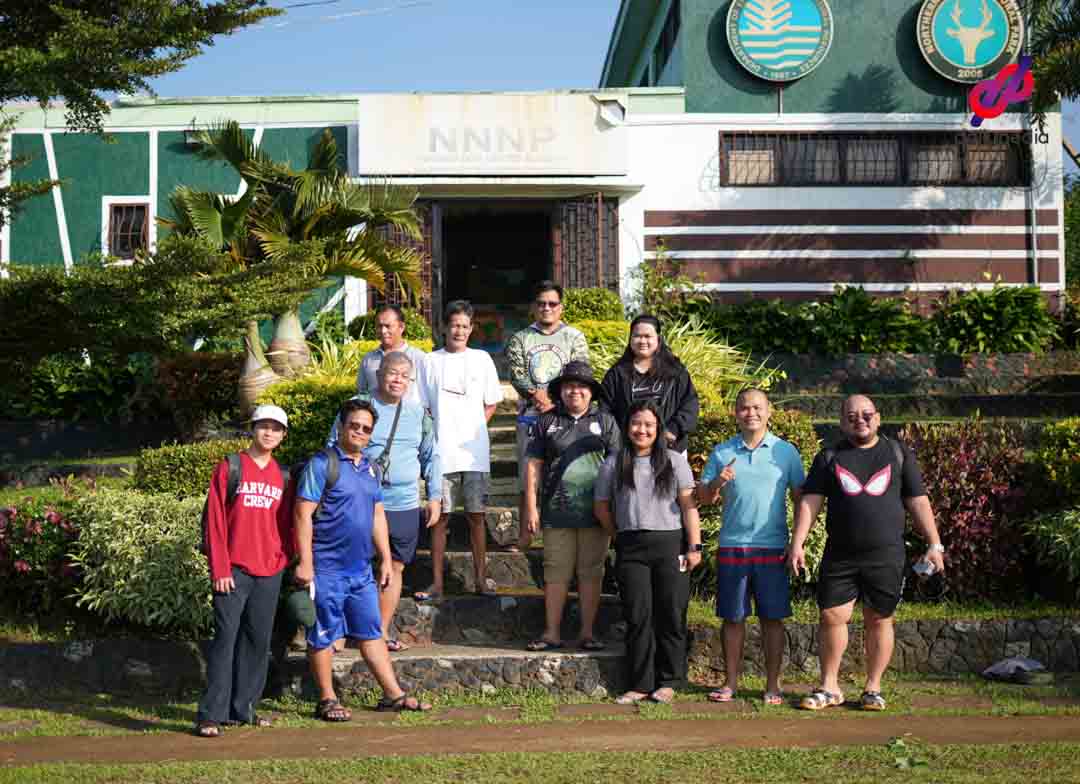
The fourth morning brought a sunrise view and an opportunity to capture aerial images of Malatan-og Falls before departure for Sagay.
After approximately two hours on the road and a boat crossing of around 30 minutes, the delegation reached Carbin Reef.
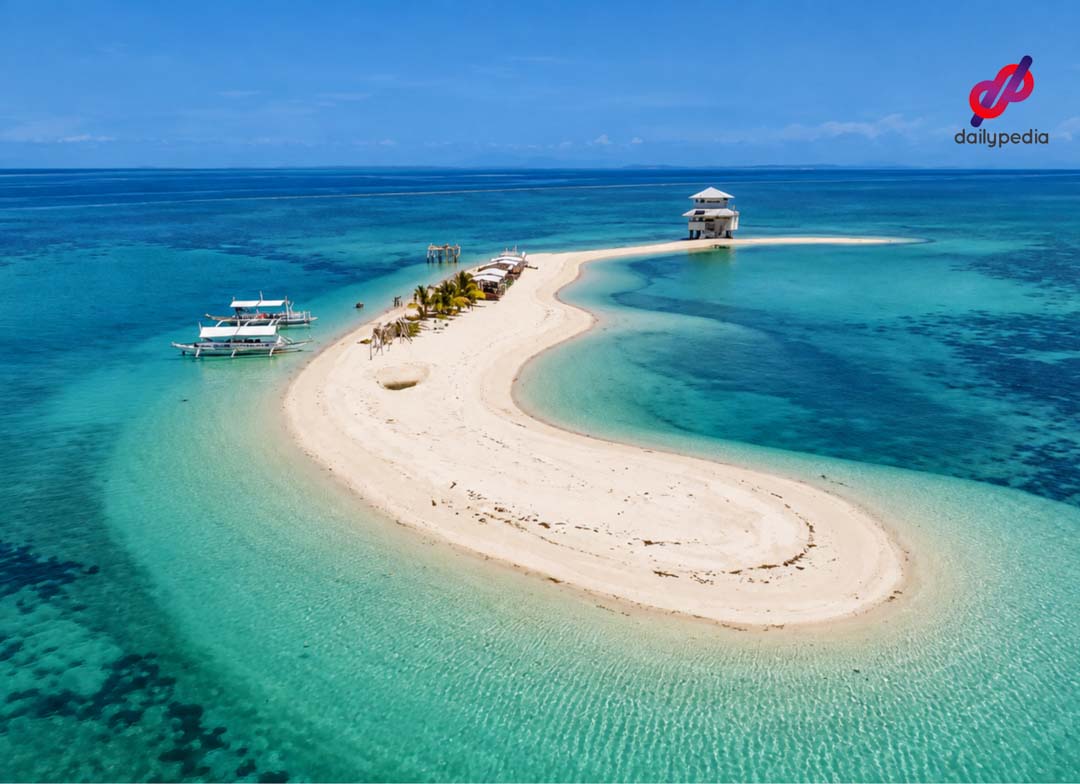
Part of the Sagay Marine Reserve, Carbin Reef combines a sandbar setting with surrounding protected marine habitat. The reserve encompasses several islands, reefs, and coastal waters, linking the day’s destinations within a wider conservation area.
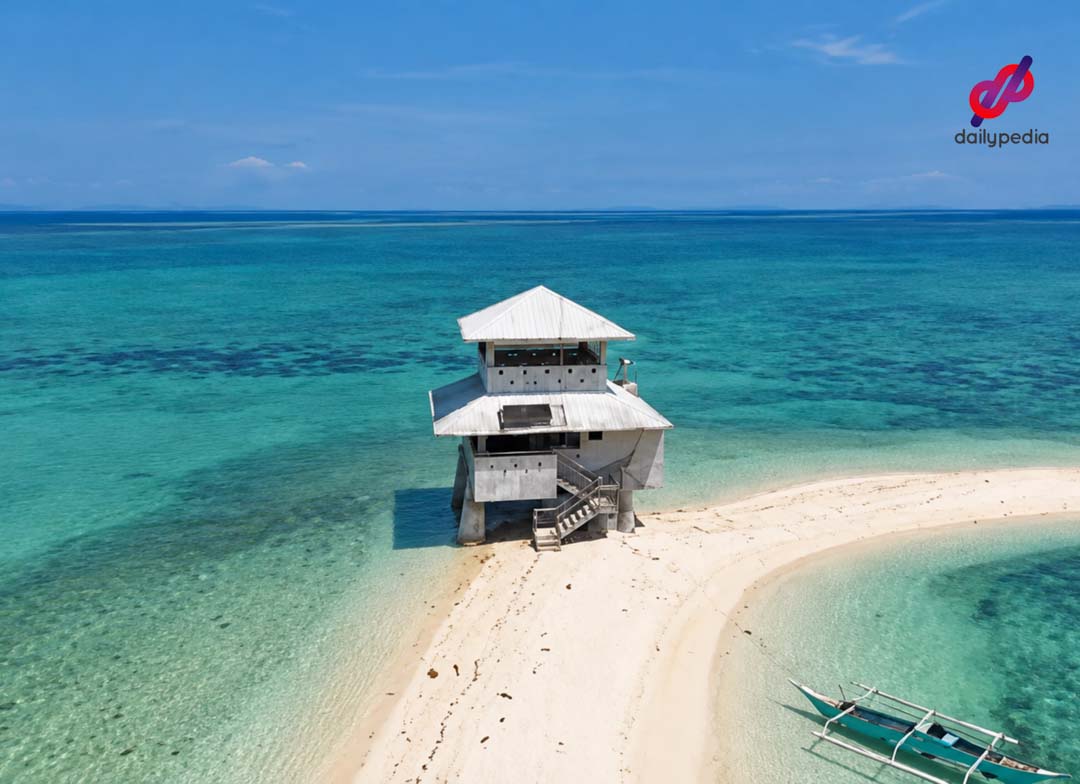
The group photographed and filmed Carbin Reef, including aerial views. Although visitors were told giant clams could also be found there, the schedule did not allow another snorkeling activity.
The final island stop was Suyac Island Mangrove Eco-Park, where residents welcomed the visitors in costume with singing and dancing.
Community participation gave the visit a strong human connection. Guides introduced the mangrove forest and explained that some trees had stood for more than a century, linking the tourism experience to local stewardship.
Lunch was served on the island before the delegation returned to the mainland. Travelers planning a similar visit should coordinate meals in advance, allowing residents time to prepare food and arrange supplies away from the town center.
The group then proceeded to the airport for its late-afternoon flight.
The four-day tour brought together food, wildlife, mountain scenery, and community encounters across Negros Occidental. Danjugan illustrated how visitor activities can support a conservation-led sanctuary, while Suyac placed residents at the center of the tourism experience.
Long transfers, changing weather, and boat schedules can shorten opportunities to explore.
A longer stay would allow travelers to spend more time on Danjugan, trek to Malatan-og Falls, and explore Sagay’s marine destinations—places where tourism is closely connected to the care of forests, reefs, and coastal communities. (with reports from Aldrine Benitez, special thanks to Ted Claudio of Wazzup.PH for the drone photos)