
 Mc Richard Paglicawan
Fifteen to thirty minutes by boat from the coast of Cauayan, Negros Occidental, lies a small limestone island that invites visitors to slow down, reconnect with nature, and discover why conservation matters.
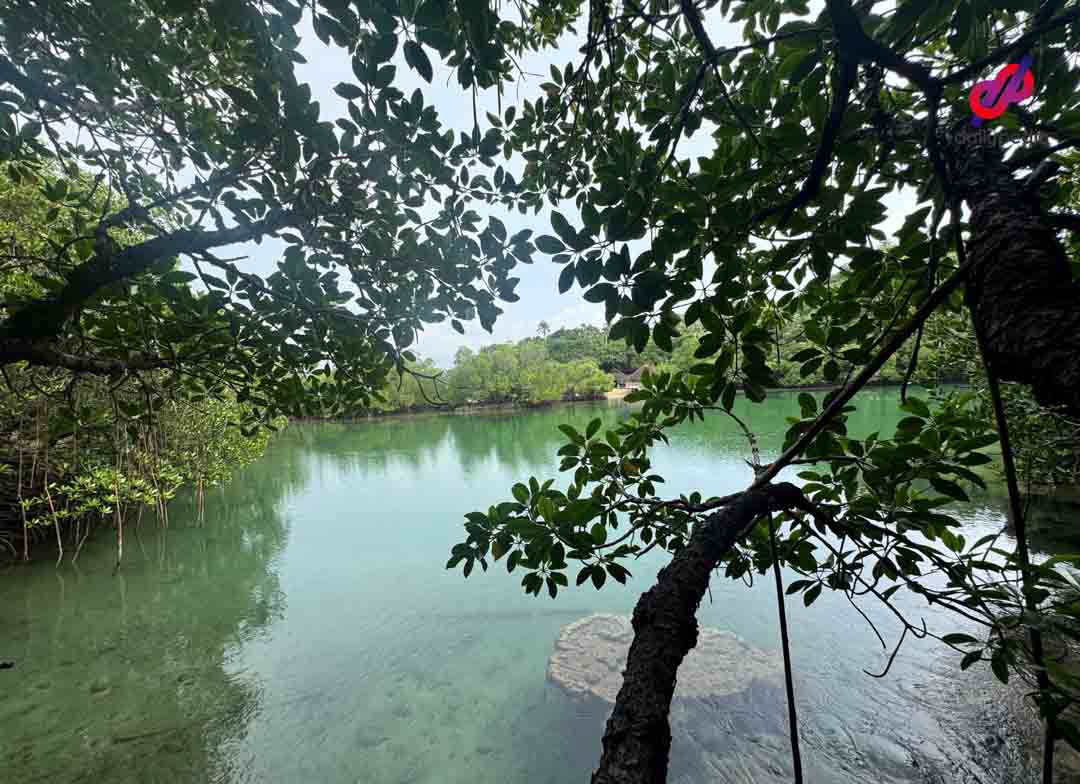
After breakfast, our group began the roughly four-hour van journey to Cauayan, where a bangka awaited us for the crossing to Danjugan Island Sanctuary. The boat ride took approximately 30 minutes, bringing us to a destination I had wanted to visit for years.
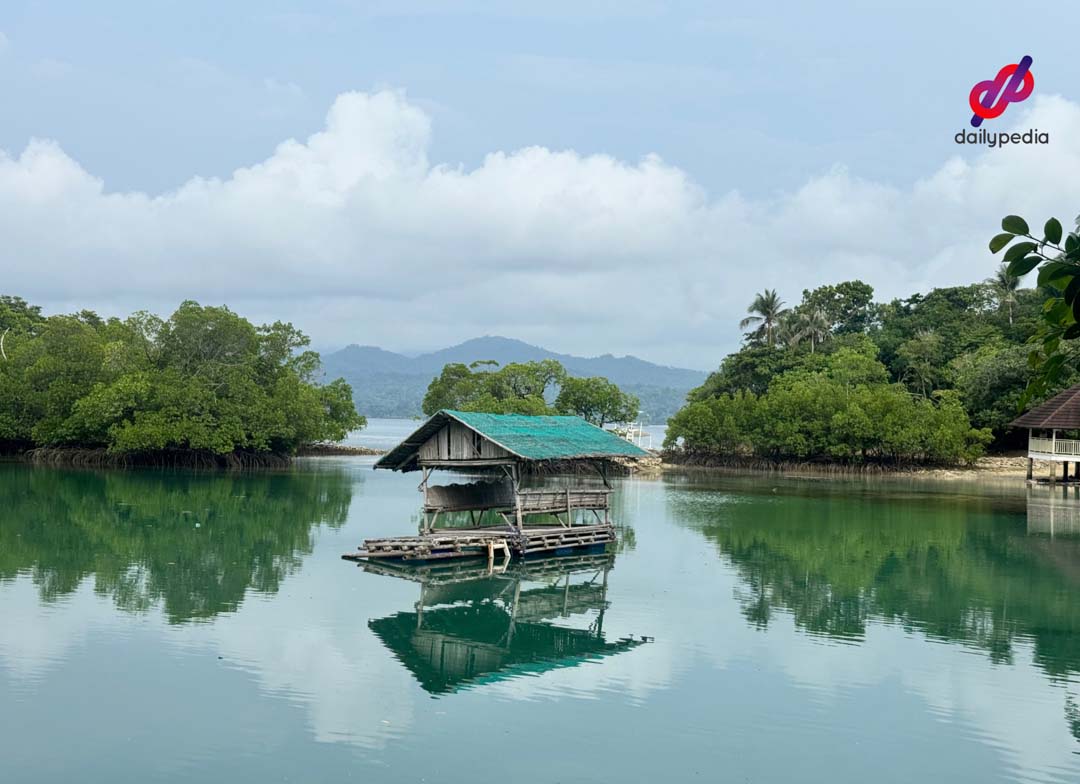
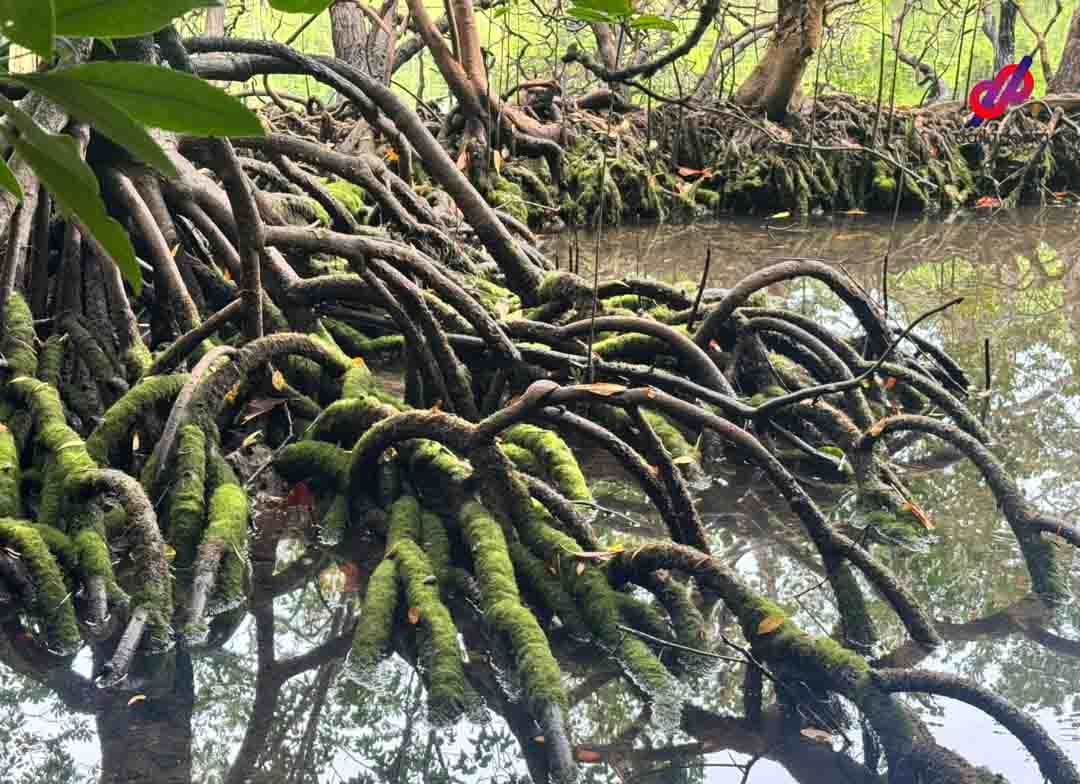
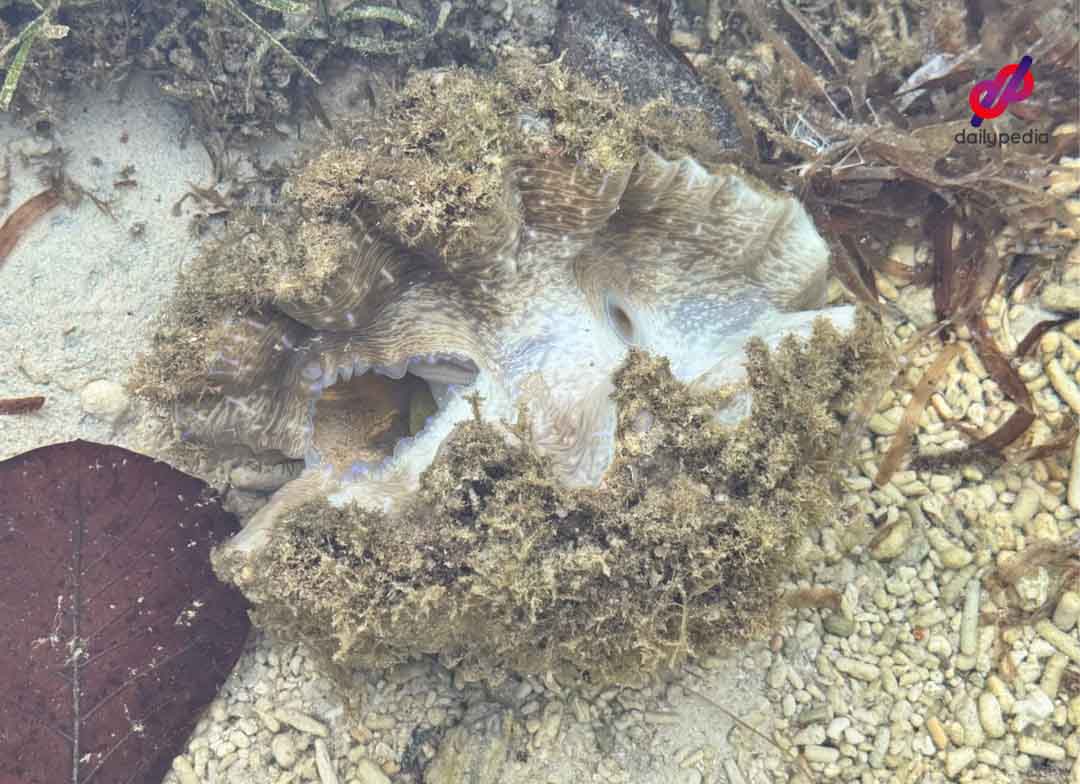
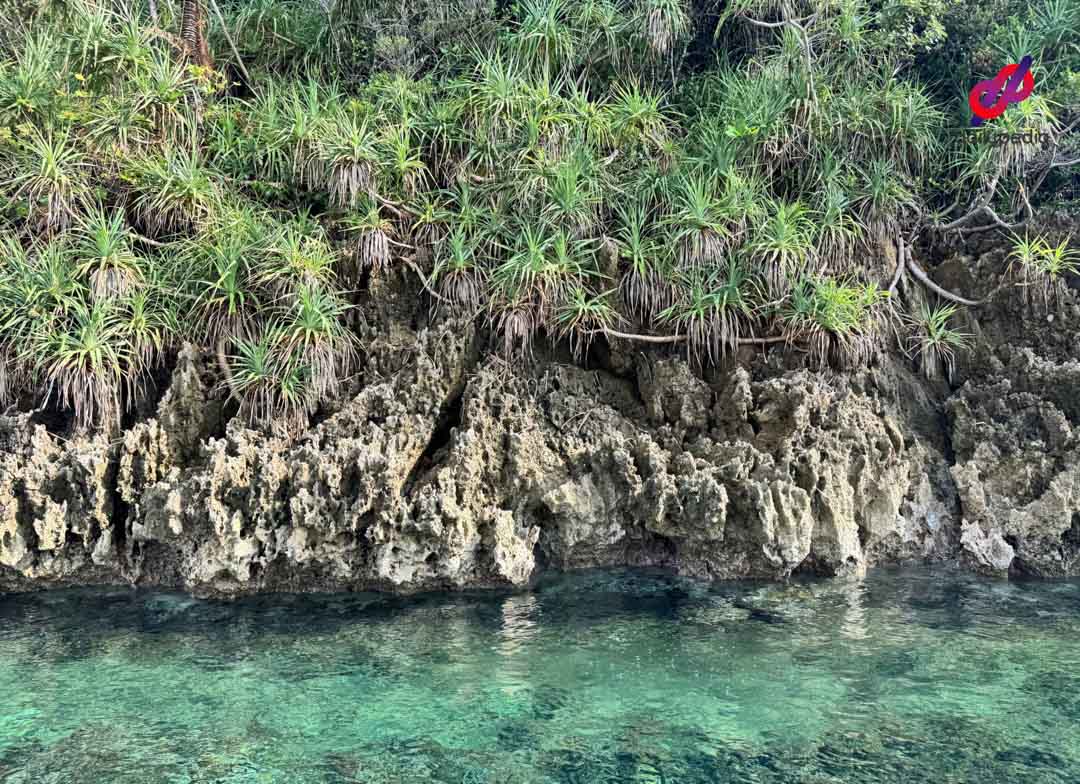
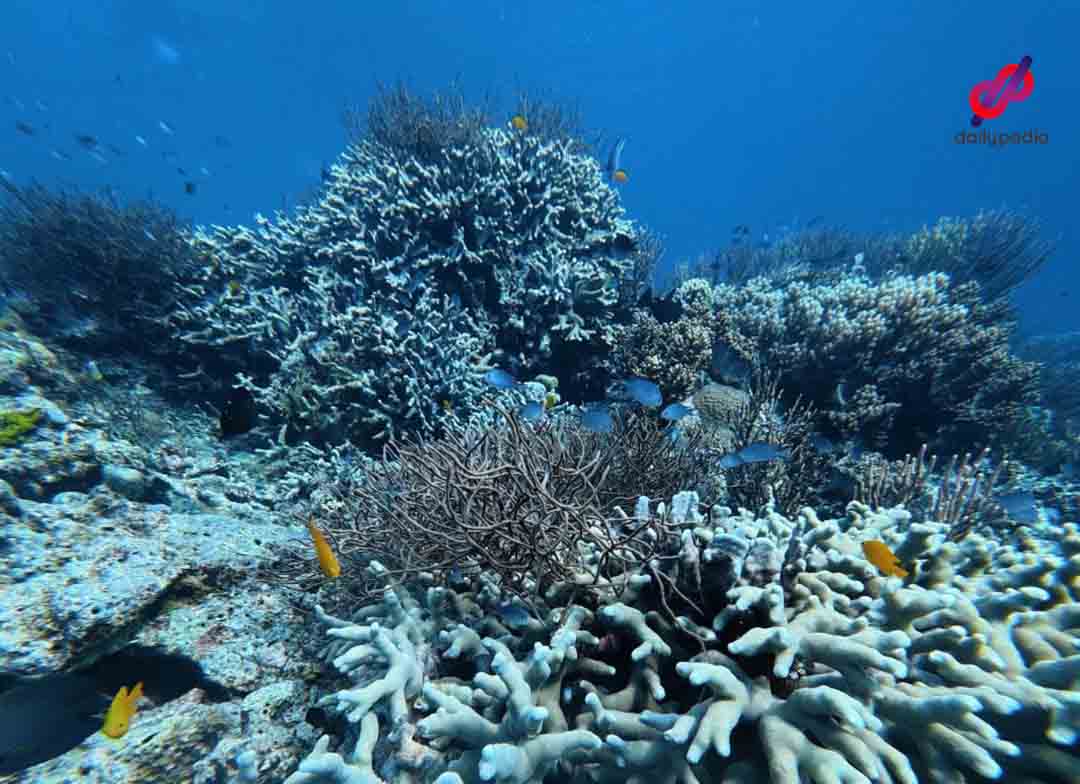
Despite occupying just 43 hectares and measuring approximately 1.5 kilometers long and half a kilometer wide, Danjugan is remarkably rich in biodiversity. The island is home to five lagoons, limestone forests, mangroves, bat caves, seagrass beds, coral reefs, and a variety of wildlife.
We arrived at Typhoon Beach and settled into our Dolphin accommodation. During the orientation, we met Lloyd Kevin “King” Guanzon, educational officer of the Philippine Reef and Rainforest Conservation Foundation, Inc. (PRRCFI), and foundation manager Reyanne Joy Librado, who shared the island’s remarkable conservation story.
Following a lunch featuring local dishes, we began exploring the island on foot.
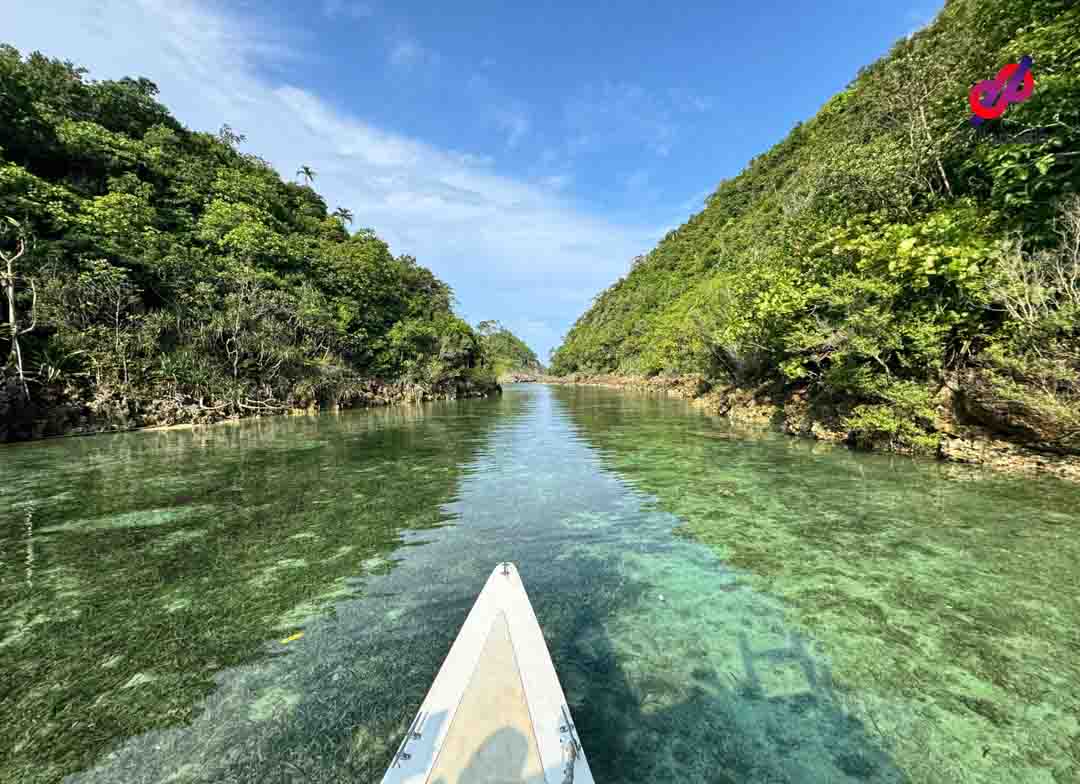
Danjugan Island is owned and managed by PRRCFI, which helped secure its protection in 1994.
According to Guanzon and Librado, the island’s conservation story began with founder Gerry Ledesma and a group of scuba divers who frequently visited its surrounding waters.
When the previous owner reportedly offered to sell a single tree containing an eagle’s nest, the divers proposed something far more ambitious: purchasing the entire island to protect its ecosystems.
With support from the UK-based World Land Trust and the Land Bank of the Philippines, the foundation succeeded in acquiring the island in 1994.
“Ever since the 90s, Danjugan has been at the protection of the foundation,” Librado explained. “It was bought with that intent.”
Today, Danjugan serves as a living conservation and environmental education center rather than a conventional island resort.
For Guanzon, the sanctuary represents something increasingly difficult to find.
“It’s an island where humans and nature intertwine with each other, and live harmoniously,” he shared.
He described it as “a place where you can actually pause, listen to the birds, and just live one with nature.”
Danjugan’s relatively small land area supports an impressive range of wildlife.
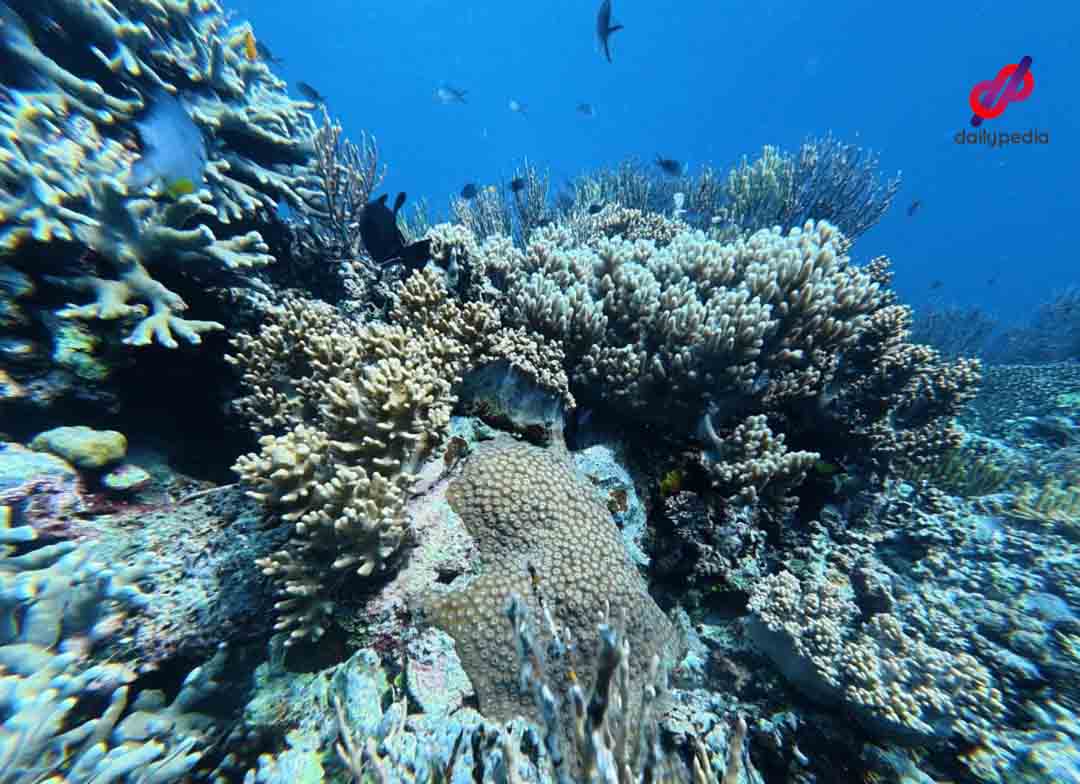
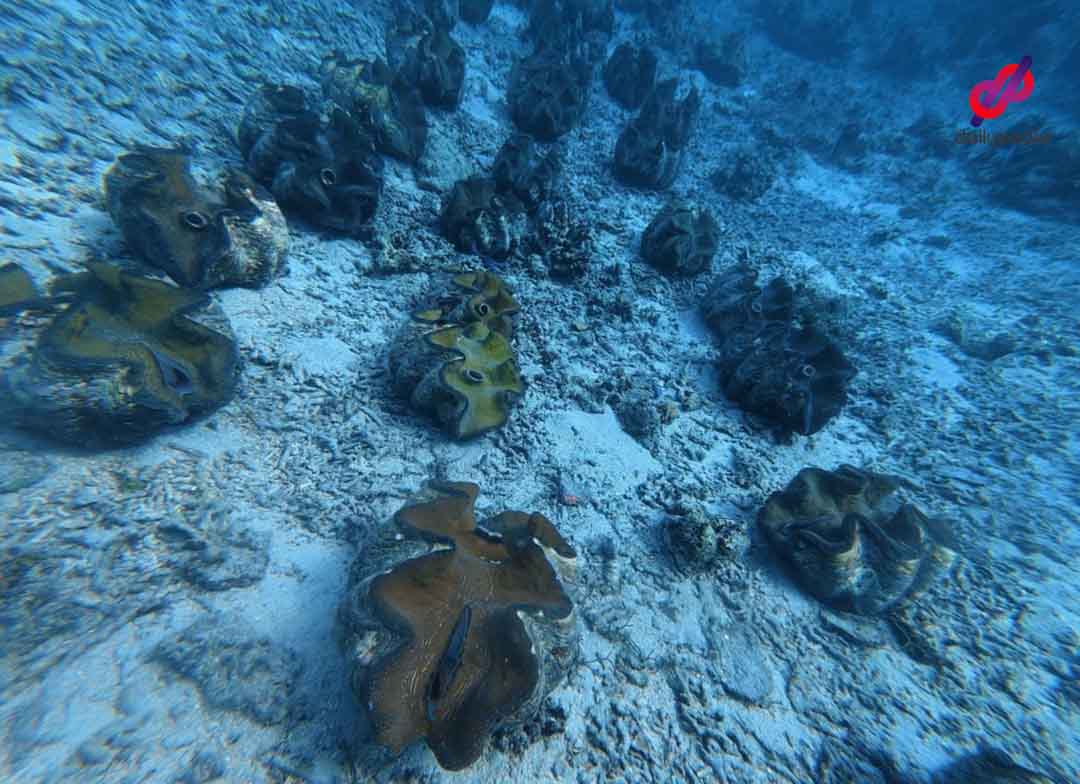
Surveys have recorded 74 bird species, 10 bat species, and approximately 572 fish species. Its surrounding waters form part of a major marine protected area in Southern Negros, established under Cauayan Municipal Ordinance 99-52.
The foundation is also pursuing stronger habitat protection in partnership with the Department of Environment and Natural Resources (DENR).
Librado shared that discussions are underway regarding a possible critical habitat declaration to provide additional safeguards for threatened wildlife, including blacktip reef sharks and hawksbill turtles.
The island’s Turtle Coast is particularly significant as a nesting area for hawksbill turtles.
“We’re planning to apply for a critical habitat declaration,” Librado said.
While visitors can enjoy snorkeling, kayaking, trekking, and exploring the island’s bat cave, education remains central to Danjugan’s mission.
“The camps are really the bread and butter of the island,” Guanzon explained.
Through the Danjugan Environmental Education Program, PRRCFI conducts marine and youth camps that introduce participants to the island’s eight ecosystems and the importance of protecting natural resources.
The foundation says its environmental camps have been conducted since 1991.
Librado emphasized that these activities encourage young people to become advocates for the environment.
The program also provides opportunities for children from mainland communities to participate through sponsorships supported by paying visitors.
For Guanzon, snorkeling remains a personal favorite because it allows visitors to appreciate the extraordinary marine life beneath the surface.
One of the things that makes Danjugan different is its deliberate simplicity.
There are no air-conditioned rooms, and electricity comes from solar power. Accommodation options include six rooms at Typhoon Beach, among them two mud houses designed for better natural ventilation, and five kavanas at Moray Lagoon that can accommodate up to ten guests each.
Water conservation is equally important. Because Danjugan is a limestone island without its own freshwater source, water must be transported from the mainland.
During environmental camps, participants are introduced to a daily “one bucket challenge” to encourage responsible water use.
Less than ten percent of the island has been developed, allowing the majority of its landscape to remain dedicated to wildlife and conservation.
These limitations are not inconveniences to be eliminated. They are part of understanding what it means to visit a protected natural environment responsibly.
Danjugan is accessible through Cauayan, Negros Occidental. Travelers can reach the mainland departure point by bus or van, with boats departing from Antol Port at scheduled times.
The sanctuary offers day tours, three-hour eco-tours, and overnight stays. However, advance reservations are required.
“We don’t accept walk-ins, by the way. You have to book online,” Guanzon reminded visitors.
Reservations and additional information are available through www.danjuganisland.ph.
Our visit to Danjugan was part of a four-day experiential tour of the Negros Island Region organized by the Department of Environment and Natural Resources, alongside other selected Manila-based media representatives.
Throughout the journey, we experienced the region’s diverse landscapes, from the highlands of Don Salvador Benedicto to the protected marine environments of Sagay and Cauayan.
The itinerary was packed, and the long drives sometimes left us wishing we had more time at each destination. Danjugan was certainly one of those places.
I had wanted to visit this island for a long time, and finally setting foot on it gave me a deeper appreciation of the people who have worked for decades to protect it.
What makes Danjugan special is not simply its beautiful surroundings or its rich biodiversity. It is the philosophy behind its existence: tourism should help sustain nature, not come at its expense.
And sometimes, the most meaningful travel experiences are not about how many attractions we manage to visit, but how much we learn from the places we are fortunate enough to experience.