
 Team DailyPedia
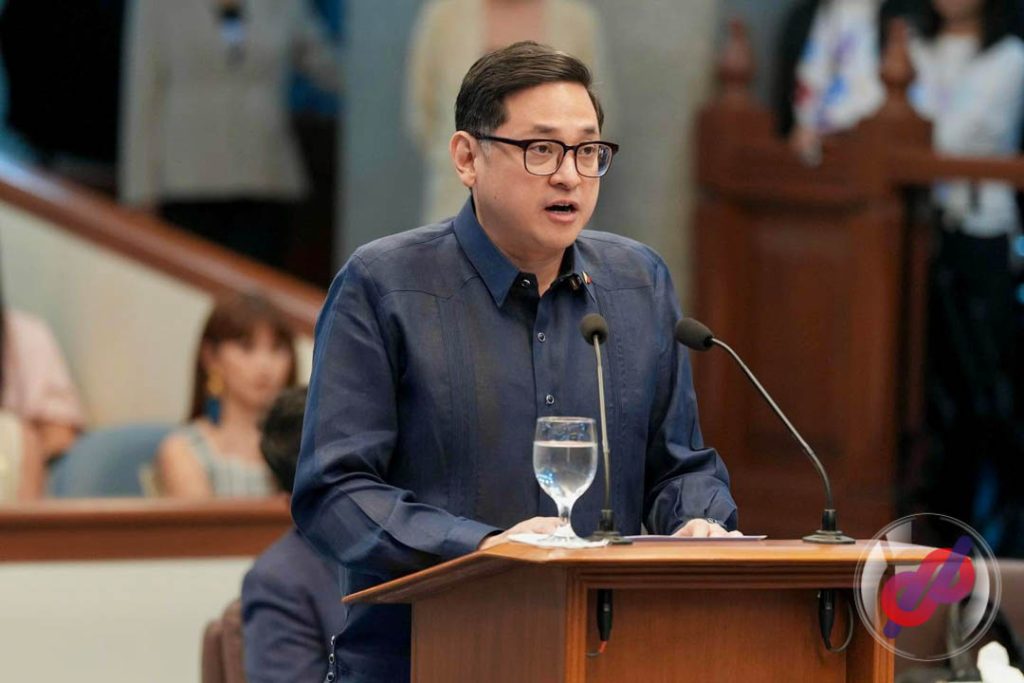
Returning as chairperson of the Senate Committee on Basic Education, Bam Aquino has outlined several key reforms aimed at addressing the country’s education crisis, including the long-standing shortage of classrooms and the need for improved nutrition and school safety programs.
One of Aquino’s immediate priorities is investigating the implementation of the P67-billion allocation he helped secure under the 2026 national budget for the construction of 25,000 classrooms.
Despite the funding being included in the historic P1.34-trillion education budget, Aquino noted that classroom construction has yet to begin.
“Tututukan natin iyong krisis sa edukasyon. Unang-una, iimbestigahan natin ang P67 billion na nakalaan para sa classrooms,” Aquino said after reassuming the committee chairmanship following the Senate leadership transition under Acting Senate President Sherwin Gatchalian.
“Alam nating napakabagal ng pag-deploy nito at nais nating malaman kung paano ito papabilisan ngayon na umuulan na ulit at mas mahirap nang gumawa ng classroom,” he added.
Aquino said the government must urgently address the country’s estimated 166,000-classroom backlog, which continues to affect the quality of education nationwide.
Apart from infrastructure concerns, the senator also committed to advancing legislation that would institutionalize a National Feeding Program for young learners.
“Pangalawa, ipapasa natin iyong reporma sa ating nutrition program kasi mahalaga po na may pagkain ang ating kabataan at dito sa repormang ito, masisigurado natin na Kinder to Grade 3 mayroong masustansiyang pagkain,” Aquino said.
The proposed measure, which Aquino is expected to sponsor in July, seeks to provide free and nutritious meals to all Kindergarten to Grade 3 students.
The senator likewise identified the proposed School Safety Act and the School-to-Employment Program as among his legislative priorities. The School Safety Act aims to strengthen measures against bullying, while the School-to-Employment Program seeks to improve job opportunities for graduates of the K-to-12 system.
Aquino expressed hope that lawmakers would unite in addressing the country’s education challenges.
“Napakarami pa pong kailangang tugunan at sana po magkaisa tayo para tugunan ang mga problemang ito, mabigyan ng tutok natin ang mga problema ng kabataan at ng kinabukasan ng ating bansa,” he said.
The senator also renewed his call for the passage of the Citizen Access and Disclosure of Expenditures for National Accountability (CADENA)-Blockchain the Budget Bill, which seeks to improve transparency and accountability in government spending.
“Marami pa rin pong mga issue sa korapsyon na hindi pa nareresolba at mahalaga na ma-blockchain na iyong budget para alam ng taumbayan kung saan napupunta iyong pera nila. Makakatulong din ito para masigurado na iyong pondo para sa edukasyon, na siyang pinakamataas sa kasaysayan ng Pilipinas, ay magagamit nang tama,” Aquino said.
The measure, Senate Bill No. 1506, has already been approved on third and final reading by a 17-0 vote. It would require government agencies to upload detailed budget documents—including contracts, procurement records, project costs, and bills of materials—to a Digital Budget Platform designed to be publicly accessible, traceable, and tamper-resistant.
Meanwhile, Aquino also urged the government to immediately release funds for the repair of classrooms damaged by the recent Magnitude 7.8 earthquake that affected parts of Mindanao, particularly in the SOCCSKSARGEN and Davao regions.
“Ayon sa DepEd, mahigit 1,000 classrooms ang nasira ng lindol sa Mindanao. Dapat bilisan ang paglalabas ng pondo upang maisaayos ang mga ito sa lalong madaling panahon,” he said.
According to Aquino, restoring damaged school facilities is critical to ensuring that affected students can safely continue their education while longer-term reforms are being implemented.