
 Team DailyPedia
A border security expert is set to meet with Anthony Viado, commissioner of the Bureau of Immigration (BI), on Tuesday to address challenges related to human and child trafficking, as well as broader border security concerns in the Philippines.
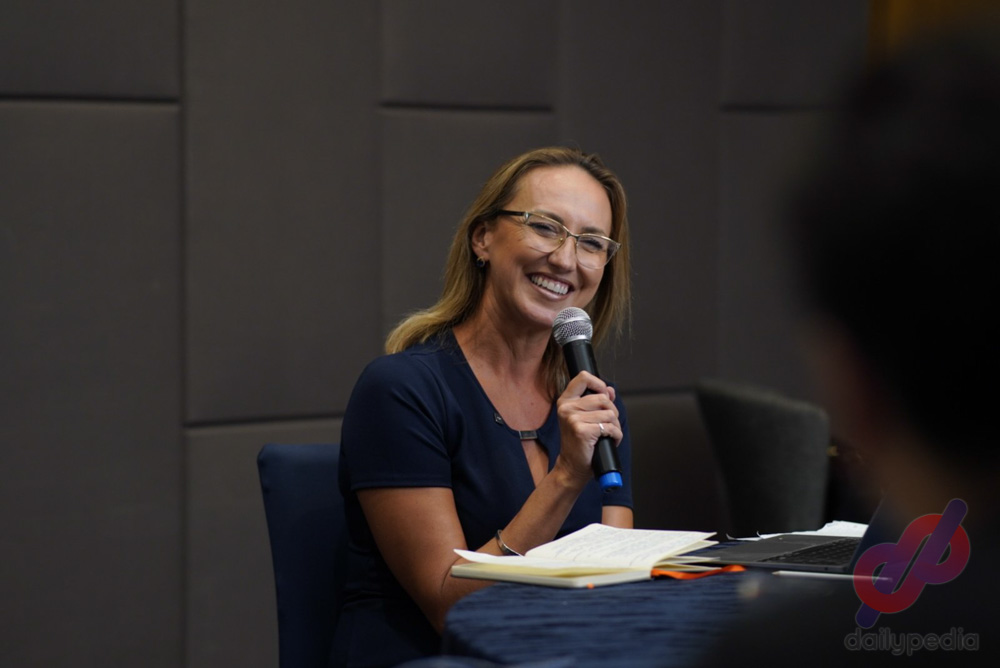
Speaking at a press conference, Sharon Ayley, chief executive officer and secretary of the International Border Management and Technologies Association (IBMATA), pointed to the country’s multiple ports of entry as a key challenge.
“The biggest factor and the most challenging factor is on having multiple ports of entry which does put additional pressure on our border agency,” Ayley said.
“The best way of managing that is by standardizing solutions across your border,” she added.
IBMATA, a global non-profit organization, works with governments, industry stakeholders, and experts to share best practices and address border management challenges.
Ayley reiterated her earlier recommendation for the BI to adopt risk-based border management systems, including biometric verification and automated e-gates. These technologies, she said, would allow low-risk travelers to pass efficiently while enabling authorities to focus on high-risk individuals, including potential trafficking cases.
She also urged the Philippine government to maximize the use of technology to combat child and sex trafficking, as well as online sexual exploitation.
“The key is risk-based, data integration, bringing together travel history, behavioral indicators, and watch lists in real time,” she said, noting that advanced analytics and artificial intelligence can help flag unusual travel patterns.
Ayley added that biometric identification systems can verify identities and help detect both traffickers and victims before exploitation occurs.
The International Organization for Migration (IOM) previously identified the Philippines as the second leading country of origin for trafficking victims, with 13,313 Filipinos among more than 125,000 victims recorded worldwide.
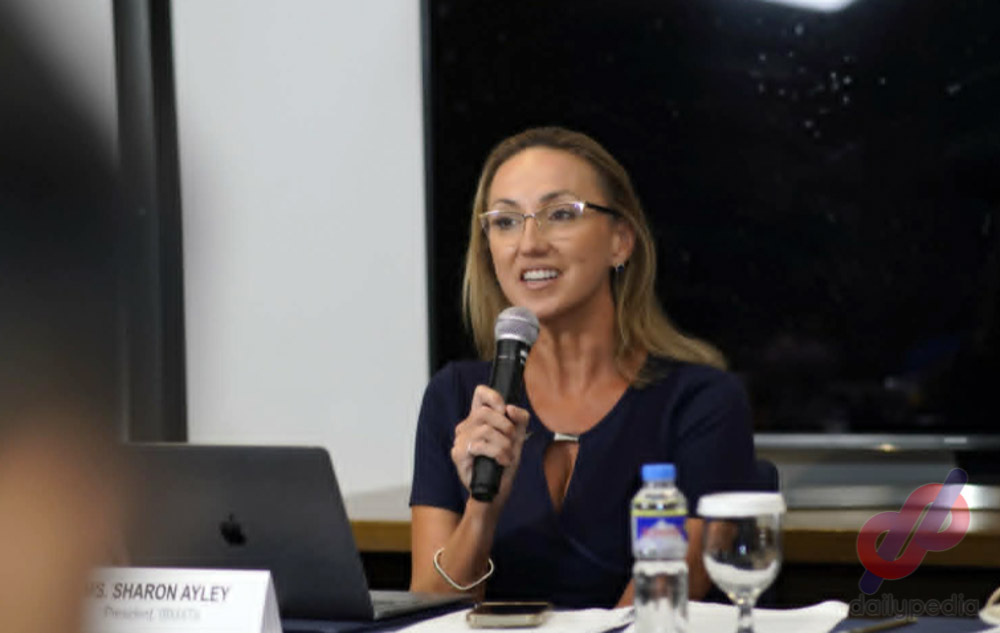
Despite the benefits of technology, Ayley emphasized that it is not a standalone solution.
“Fundamentally, it is inter-agency cooperation that is most important. Technology works best when combined with well-trained officers who have the skills and instinct to identify suspicious behavior and intervene when necessary,” she said.
She added that IBMATA continues to collaborate with global and regional partners, including IOM, to develop strategies and conduct workshops aimed at strengthening border security and combating trafficking.
Beyond technological measures, IBMATA highlighted the role of public awareness and education as a first line of defense. Ayley stressed that families and communities must be equipped to recognize early warning signs and prevent individuals—especially children—from falling victim to traffickers.
With rising prices of goods linked to tensions in the Middle East, she warned that economic pressures are making families more vulnerable.
“I think that’s where it begins — making sure people are aware of how traffickers operate and how they target vulnerable individuals,” Ayley said.
Ayley is expected to return to the Asia-Pacific region for IBMATA’s upcoming event as part of its continued engagement with regional partners.